Home – Services Detail
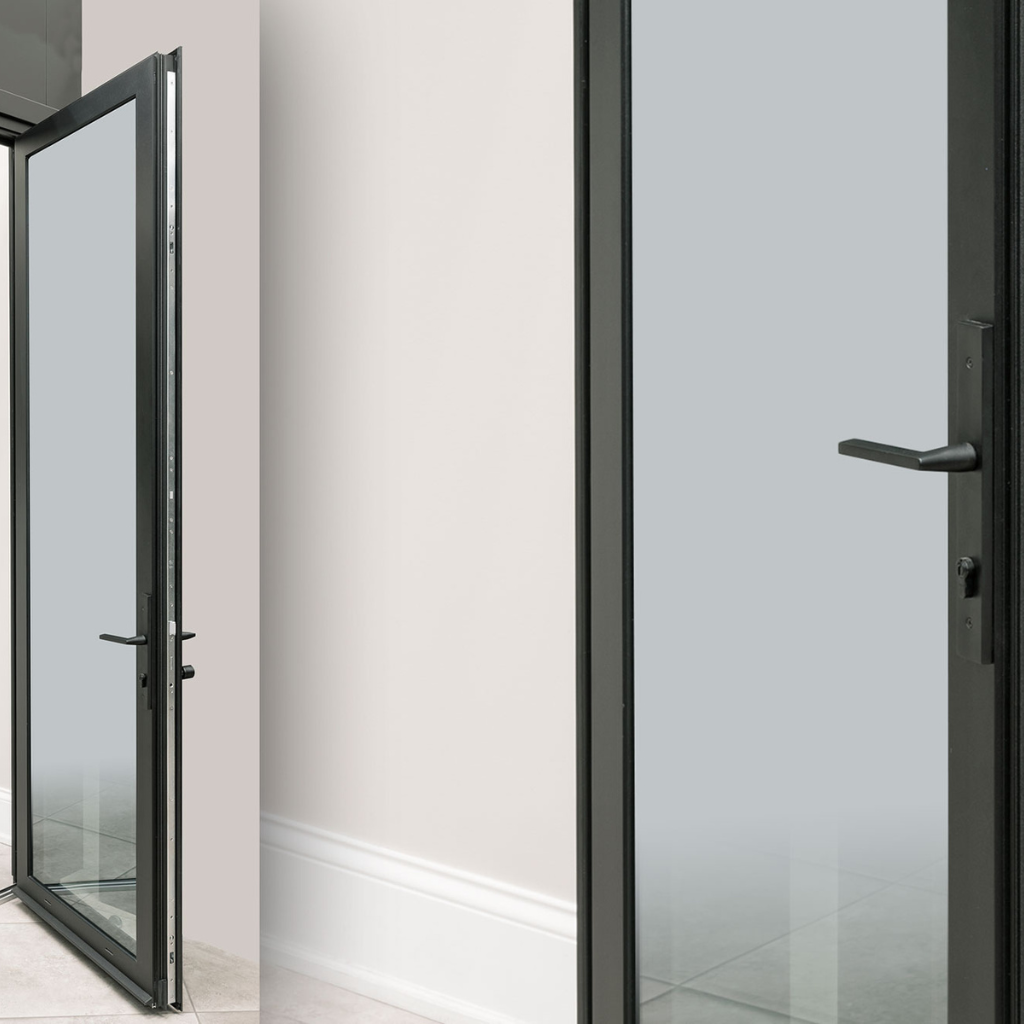
We provide narrow, medium, and wide stile aluminum interior swing doors, made in-house to your specifications.
Our trackless hinged and sliding door system leads the industry in design and ease of installation, adding a sleek and truly elegant aesthetic to any office. They provide a look that harmonizes with virtually any architectural design or style while having the ability to maximize natural light and space.
All doors are prepped for standard weight 4-1/2″ x 4-1/2″ x .134 hinges and either cylindrical or mortise locks. Glass can be pre-installed in the factory.
With interior office space at a premium, our Hinged and Sliding Door System is the right choice for the interior commercial construction industry.
Key Features
Glass Options
In any of the following styles:
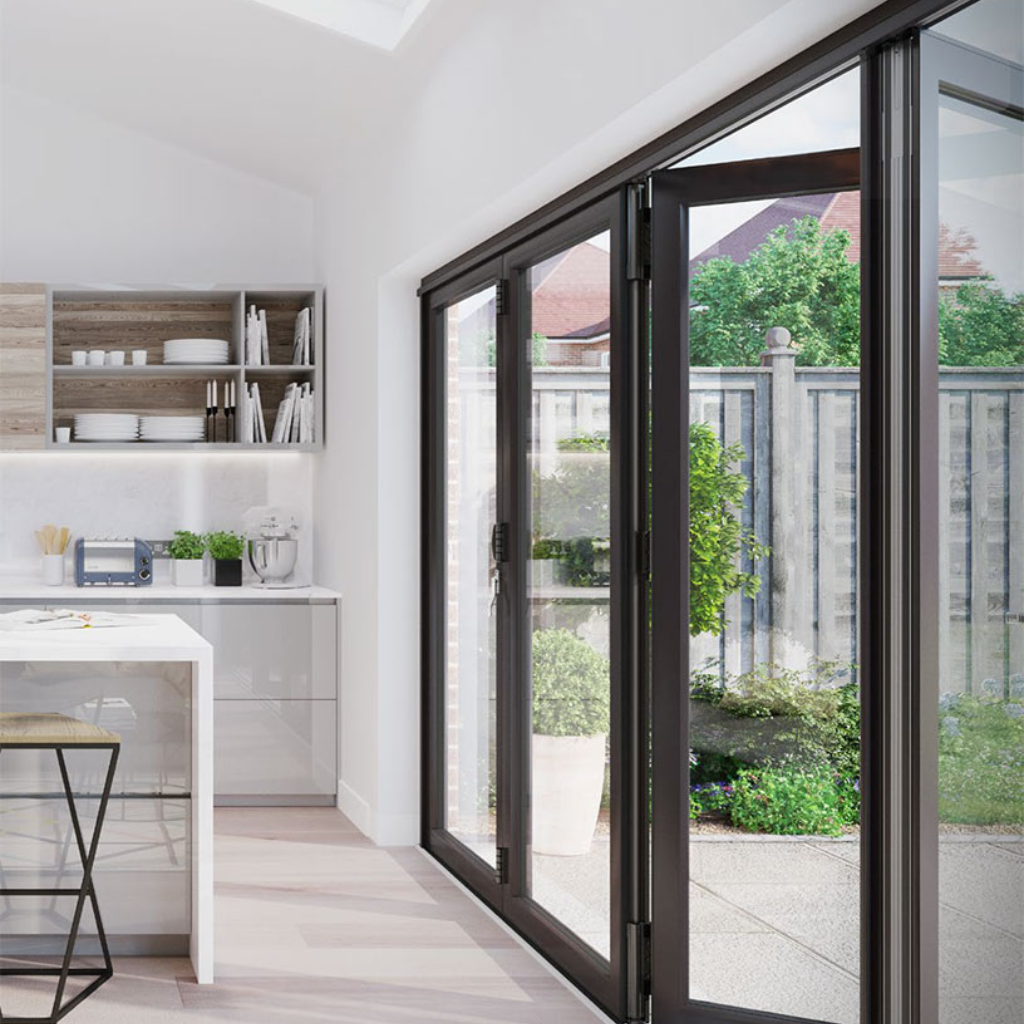
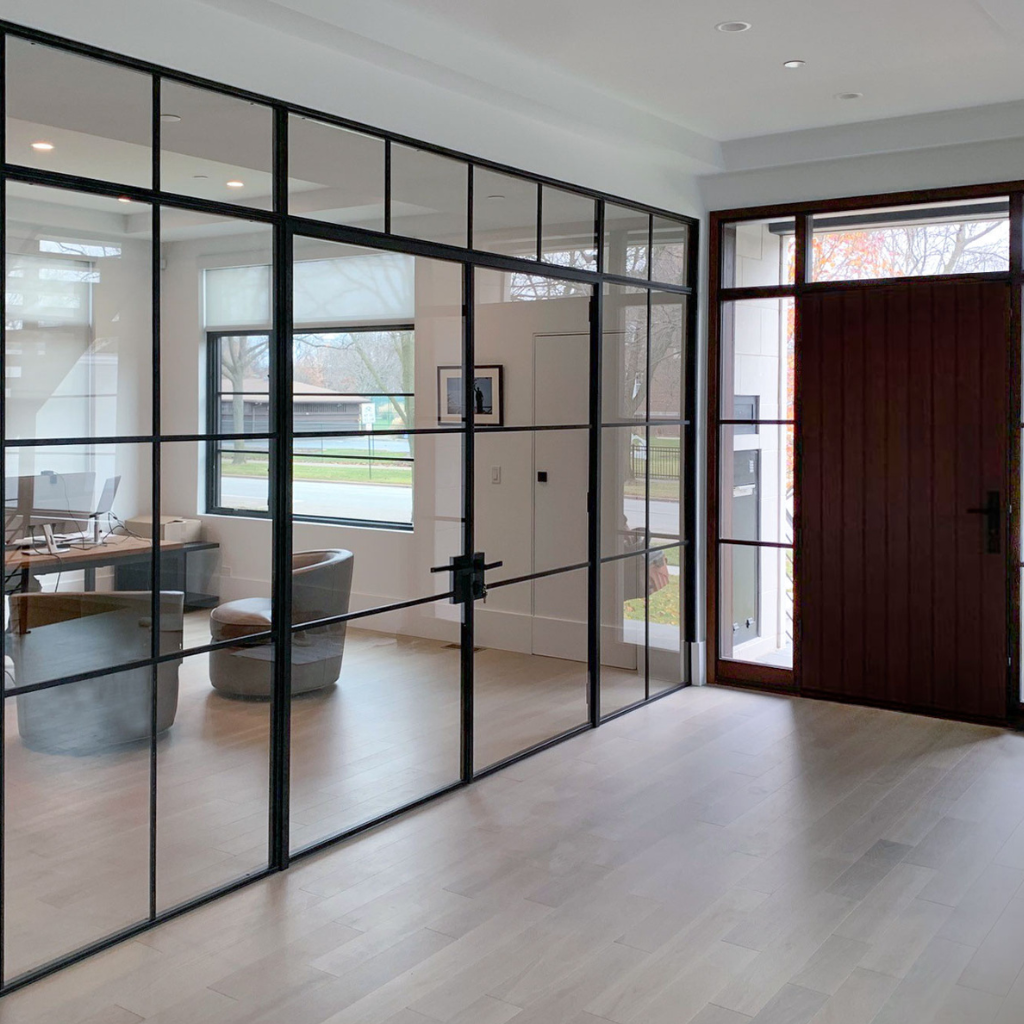
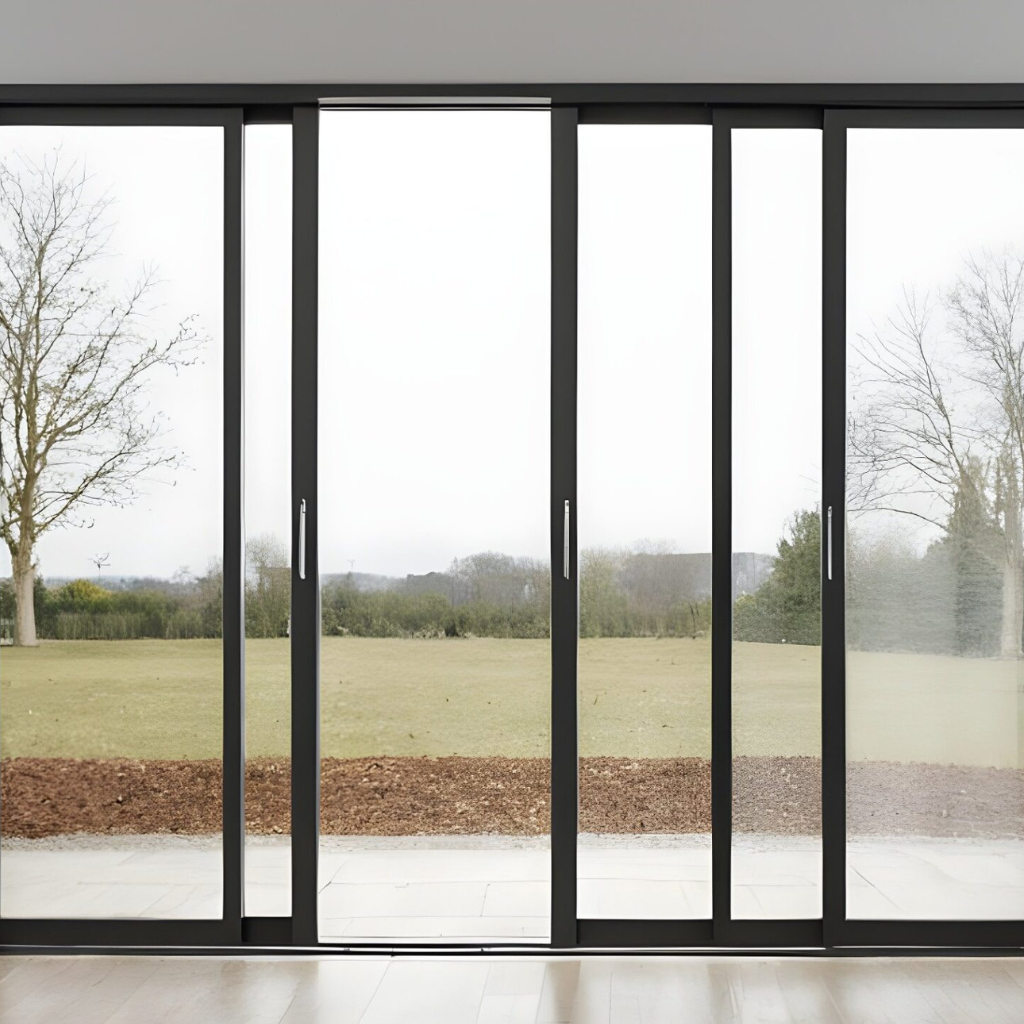
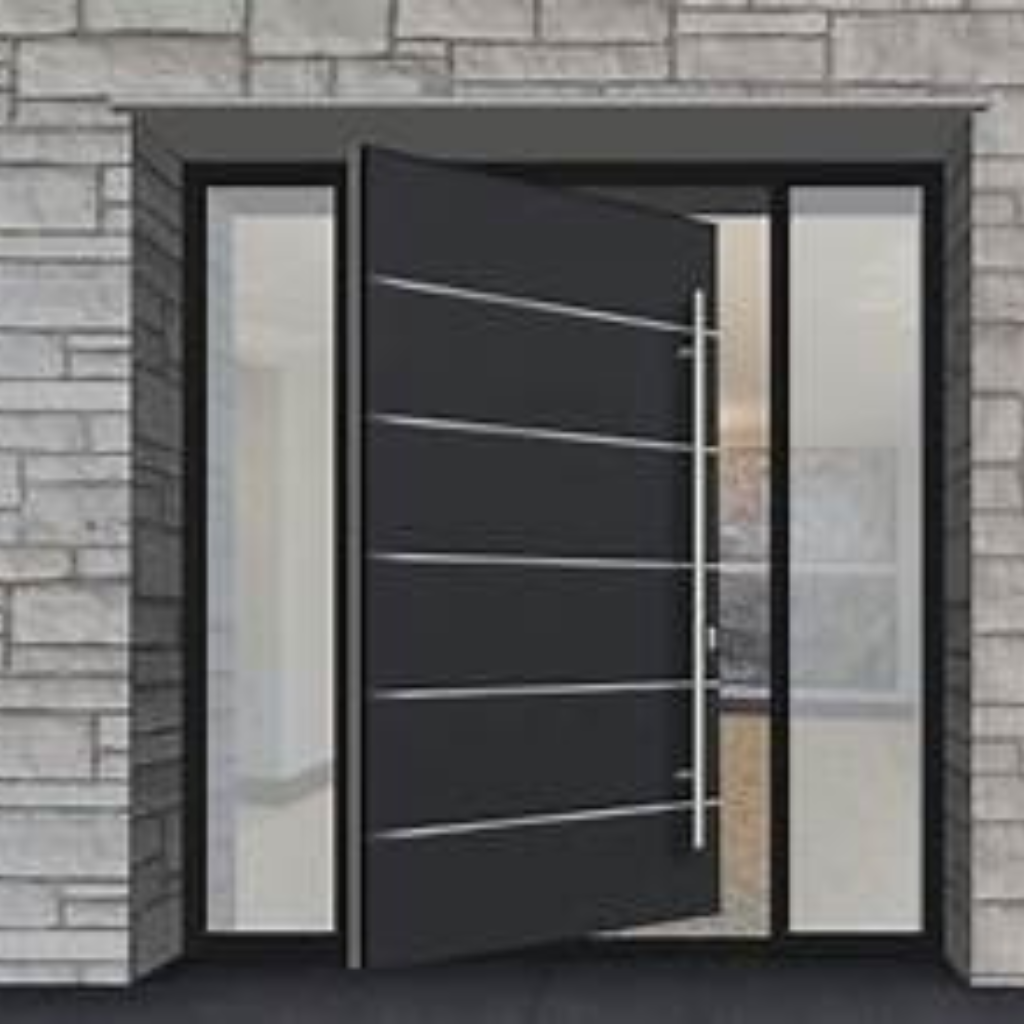
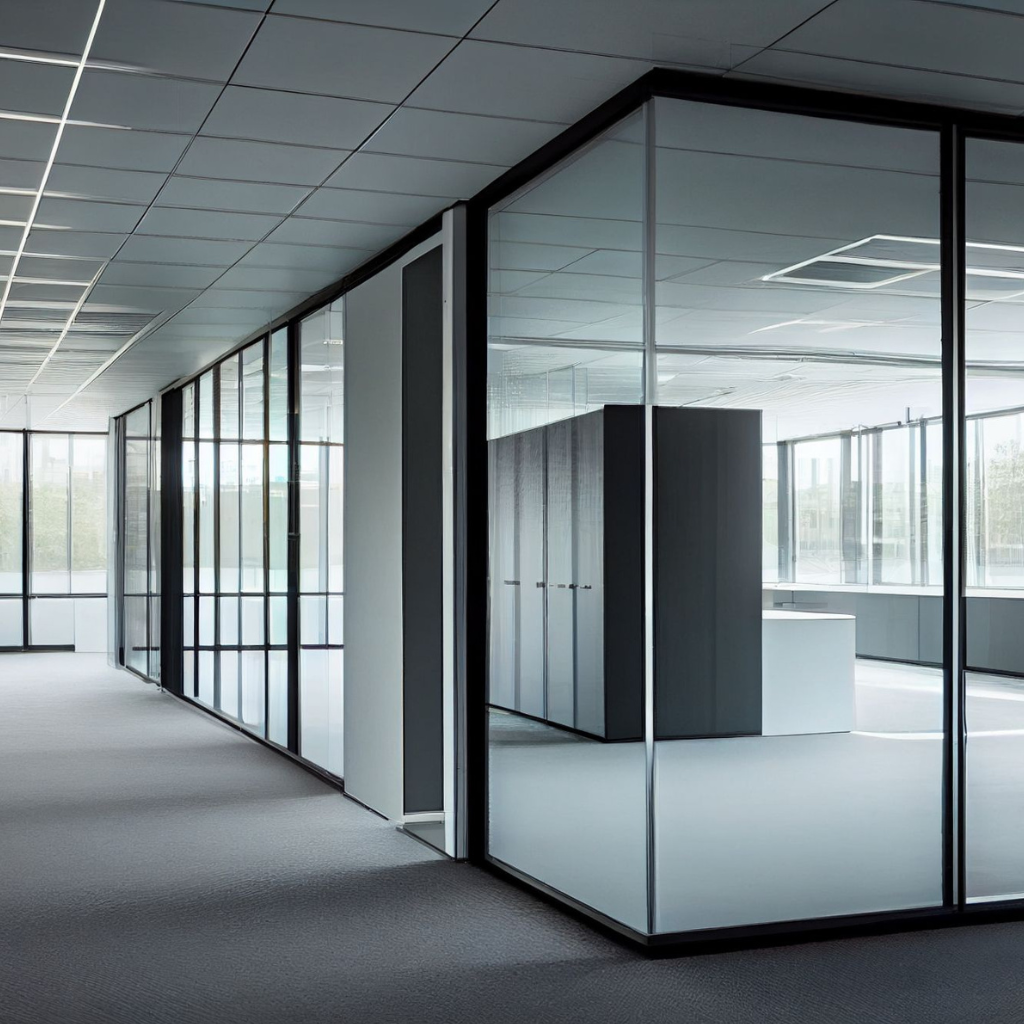
Glass balustrades, railings, and barriers reduce the need for artificial lighting and provide a natural source of daylight. Glass balustrades are used in buildings for a variety of functions, allowing the maximum flow of light and view both inside and outside the building. Balustrades are typically used around stairs and lifts, in guiding walkways to control the direction of pedestrian traffic, in external windows to prevent people from falling out of a building, and on balconies and terraces, either inside or outside.
Glass Options
In any of the following styles:
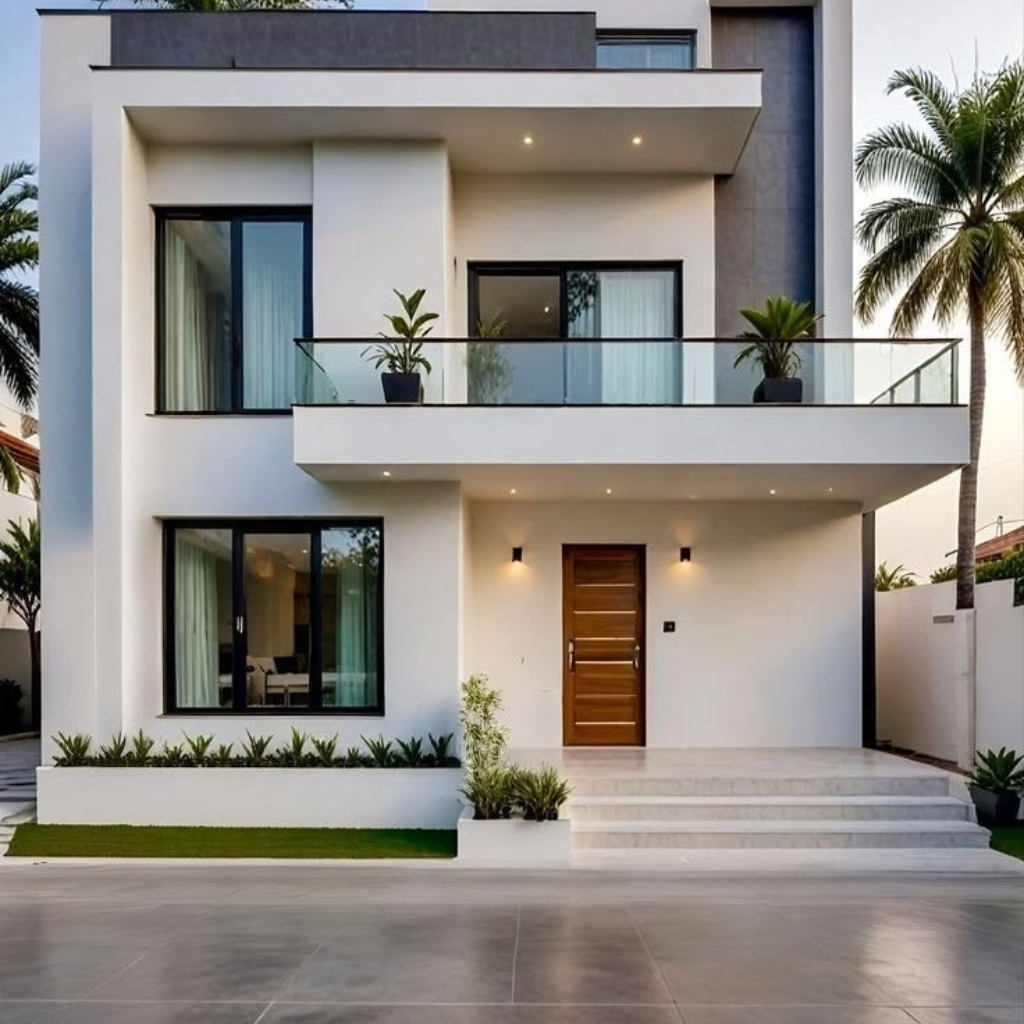
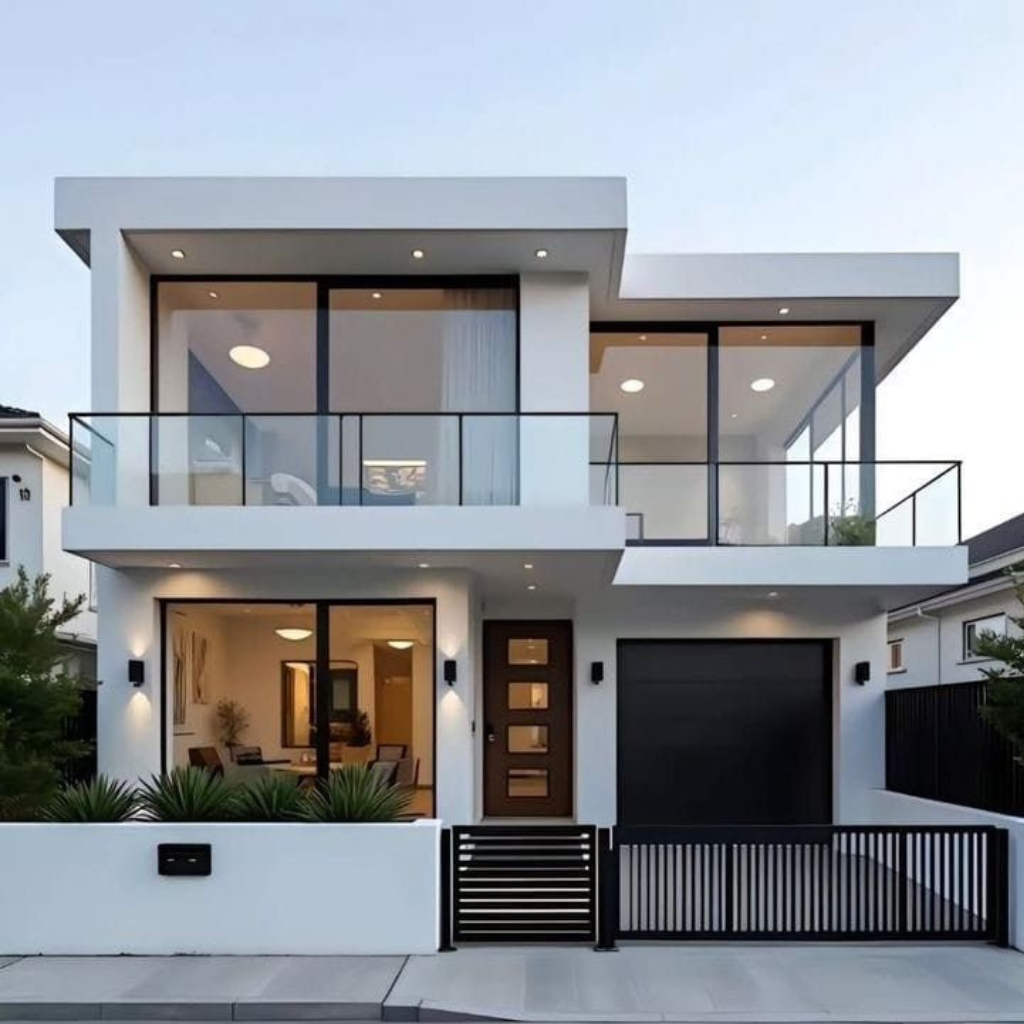
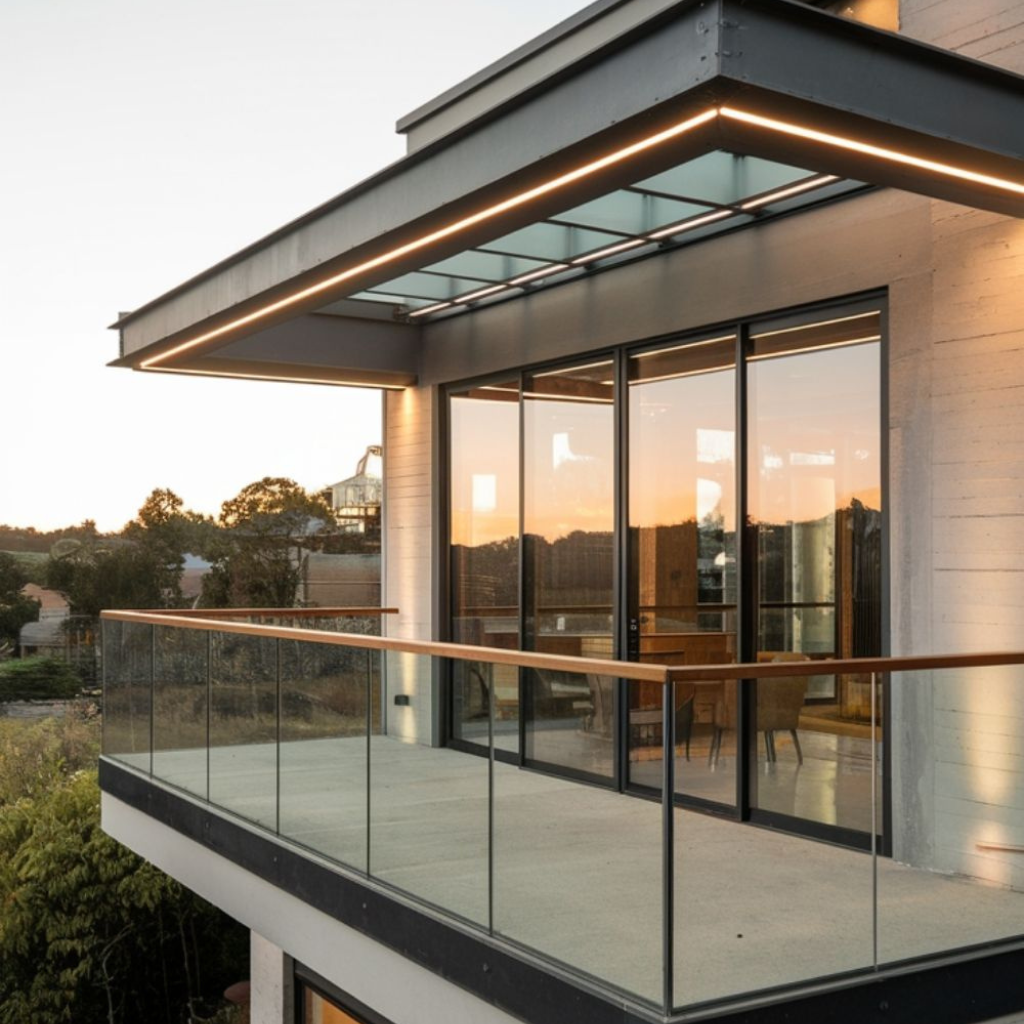
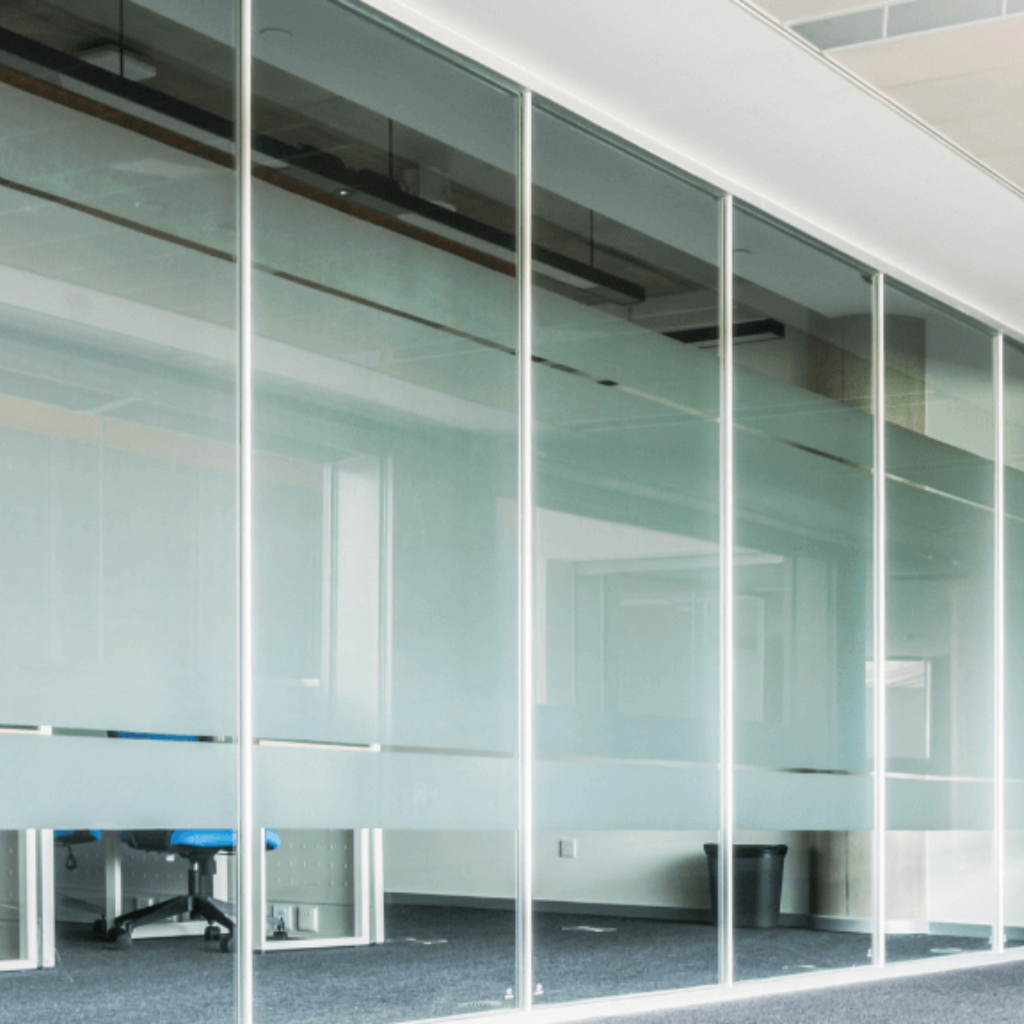
A well-chosen glass curtain wall or aluminum facade system does more than look good on a building. It enhances energy efficiency by minimizing heat gain and heat loss through the exterior skin. It introduces increased daylight and thereby reduces the amount of lighting expenses during the day.
The lightweight design also puts less load on the building’s foundation. Strong sealing systems keep out moisture and air leaks. Buildings with good thermal insulation in their facade stay comfortable all year without heavy heating or cooling costs.
All curtain wall systems are different, and the correct one is determined by the height of the building, budget, style of design, and local weather. The most common types used in projects around the world are broken down below.
1. Stick-Built Curtain Wall System
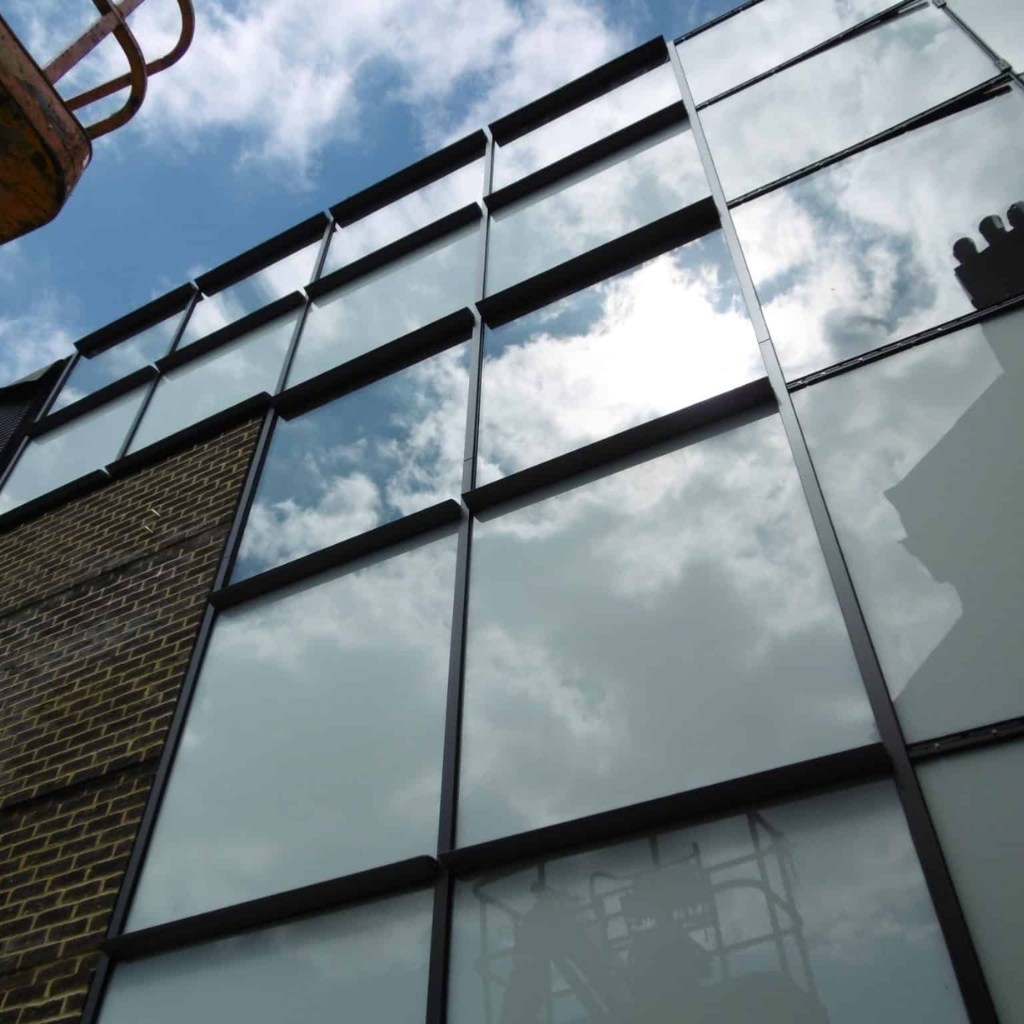
A stick-built curtain wall is built on-site, in sections. The aluminum mullions, transoms, and glass infill panels are installed on the building face by the workers. This system is cheaper in the initial phase and can be modified to change the designs during construction.
It is most effective in low-rise buildings or projects that place more emphasis on flexibility than speed. The negative aspect is that it is longer and requires expert work on the ground.
2. Unitized Curtain Wall System
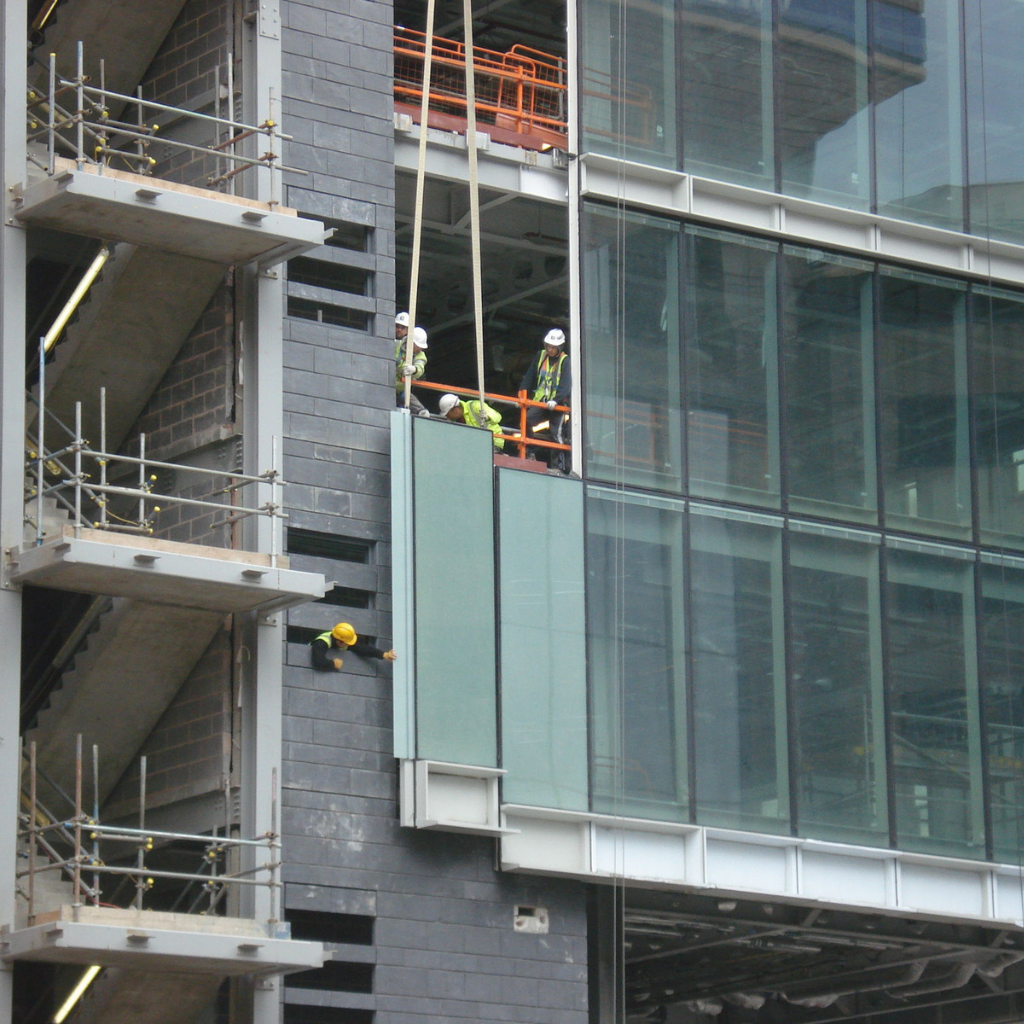
Unitized curtain wall involves the use of large prefabricated units that are manufactured in a factory. These are prefabricated facade panels that come to the site ready to be lifted and fitted.
All curtain wall systems operate in various ways, and the appropriate selection relies on the height of the building, budget, design style, and local climatic conditions. The following will be a discussion of the most prevalent types that are used in projects all over the world.
3. Structural Glazing Curtain Wall
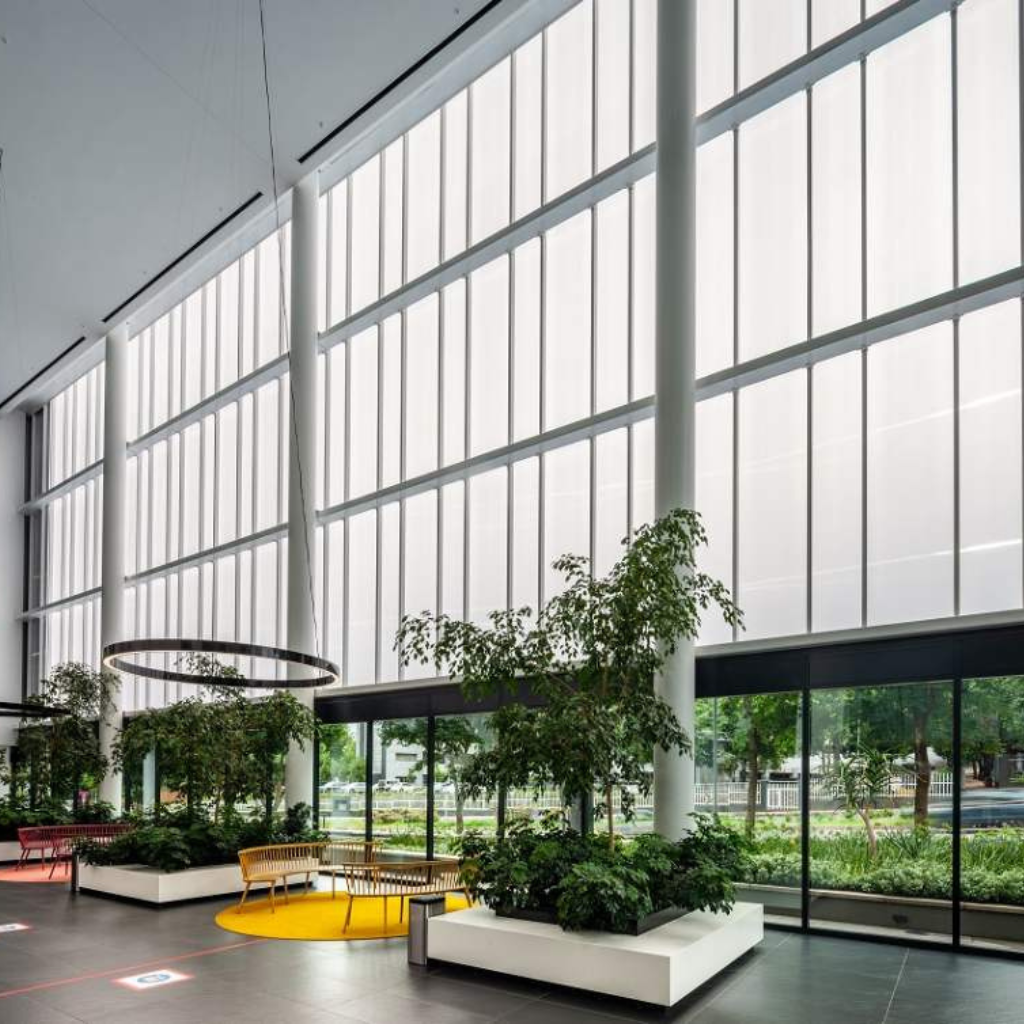
A structural glazing system is a combination of glass and an aluminum frame that is bonded directly through a strong adhesive. This eliminates metal lines on the surface, producing a smooth, seamless glass surface. It appears contemporary, tidy, and sophisticated. This system is commonly used in airports, corporate towers, and luxury buildings. It also enables wide areas of glass to fill interiors with daylight and keeps the weather out.
4. Aluminum and Metal Curtain Wall System
An aluminum curtain wall is one of the most popular choices worldwide. Aluminum is light, strong, and does not rust or corrode. It handles extreme heat and cold without warping. You can pair it with different glass panel types to control sunlight, heat, and privacy.
Our curtain wall systems work perfectly alongside our casement windows, sliding windows, and tilt and turn windows for a complete, coordinated building look.
5. Point-Supported (Spider Glass) Curtain Wall
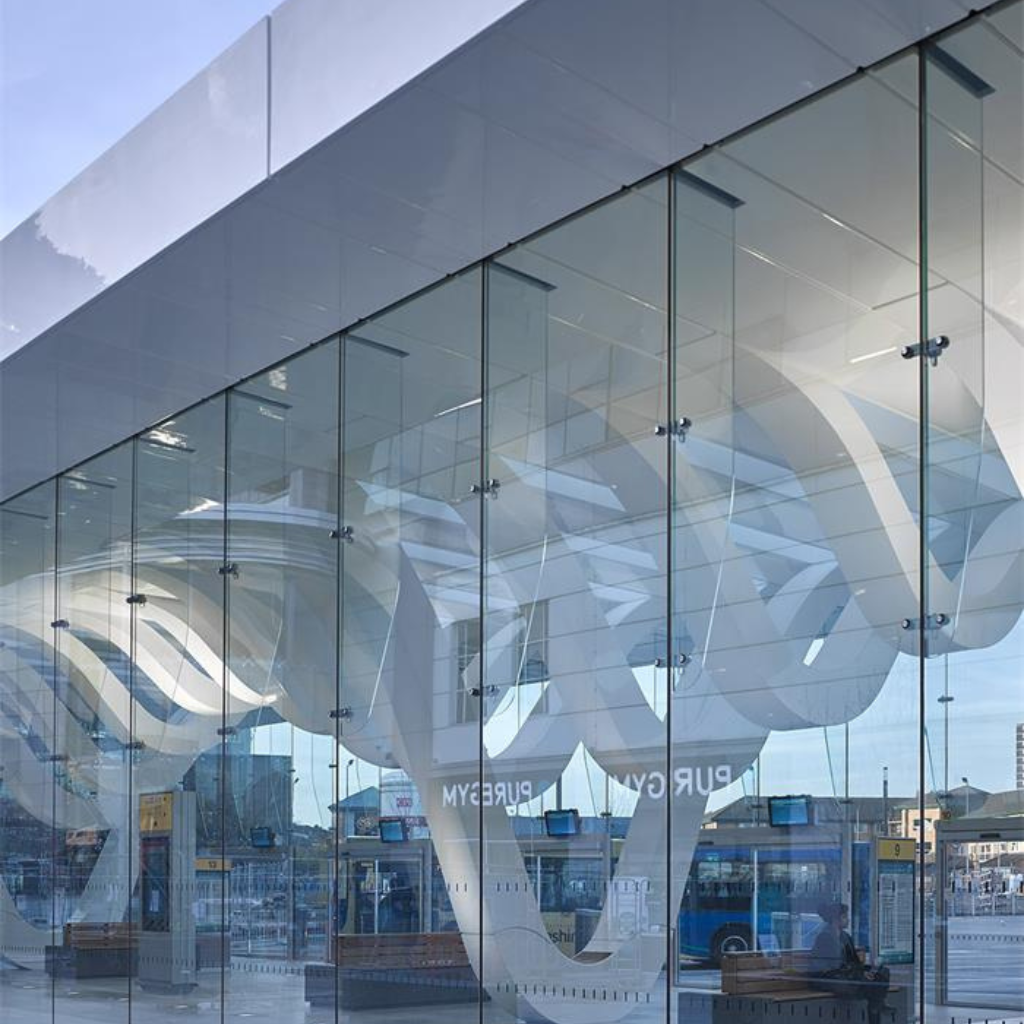
A point-supported glass curtain wall holds glass panels at their corners using small stainless steel fittings. People often call it a spider glass curtain wall because of the shape of the fittings. It creates a very clear, open look with almost no frame showing.
This system is ideal for buildings that want a transparent, open, and modern feel. It requires careful engineering but delivers a stunning visual result.
6. Double Skin Curtain Wall System
A double skin facade has two layers of glass with an air cavity in between. This gap acts as a buffer zone. It keeps the building warm in winter and cool in summer. It also blocks outside noise very well.
This type offers the best thermal insulation and acoustic performance of all curtain wall types. It is perfect for buildings in extreme climates or very noisy locations.
7. Aluminum Composite Panel (ACP) Curtain Wall
ACP is a curtain wall system that consists of bonded, flat panels of two thin sheets of aluminum bonded onto a lightweight core. These panels can be installed easily and are available in different colors and finishes.
They are not only economical in terms of the construction of new buildings but also in terms of renovation works. They are also well-built in resistance to weather and clean and modern in appearance at a lower cost.